
The story
How it began
A conversation in Amma's room in 2010 became a movement that would touch millions.
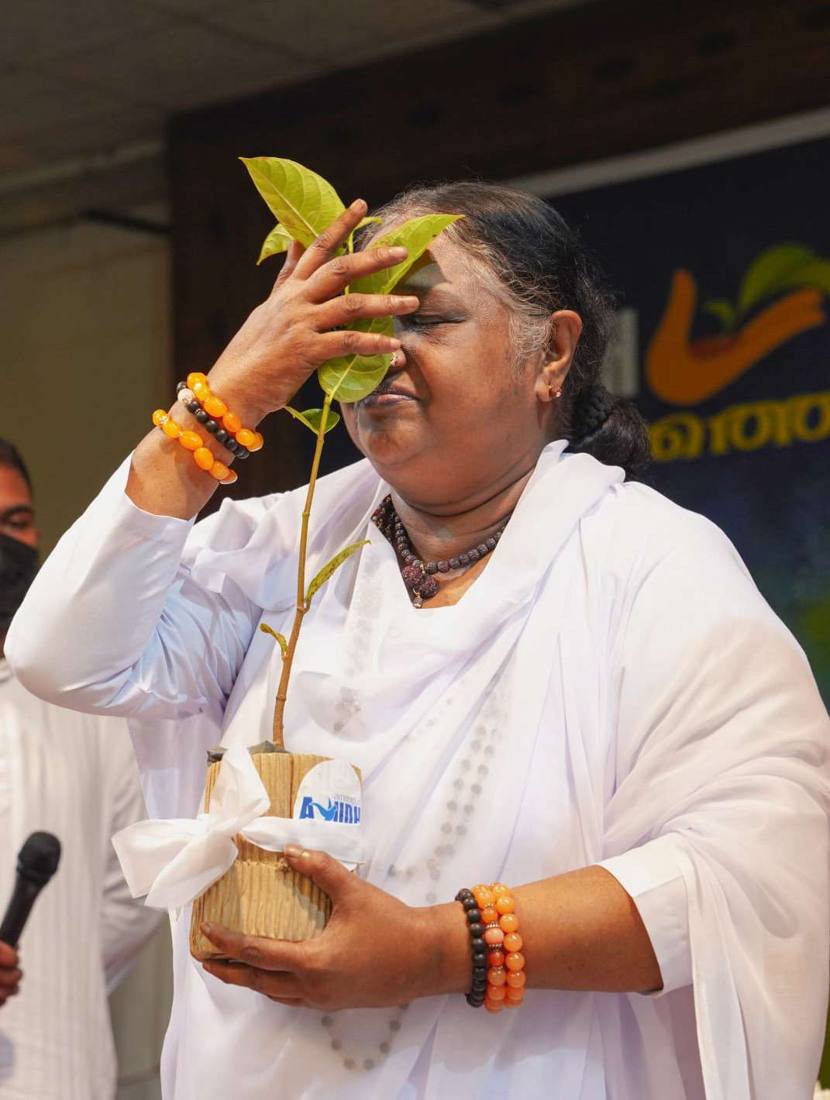
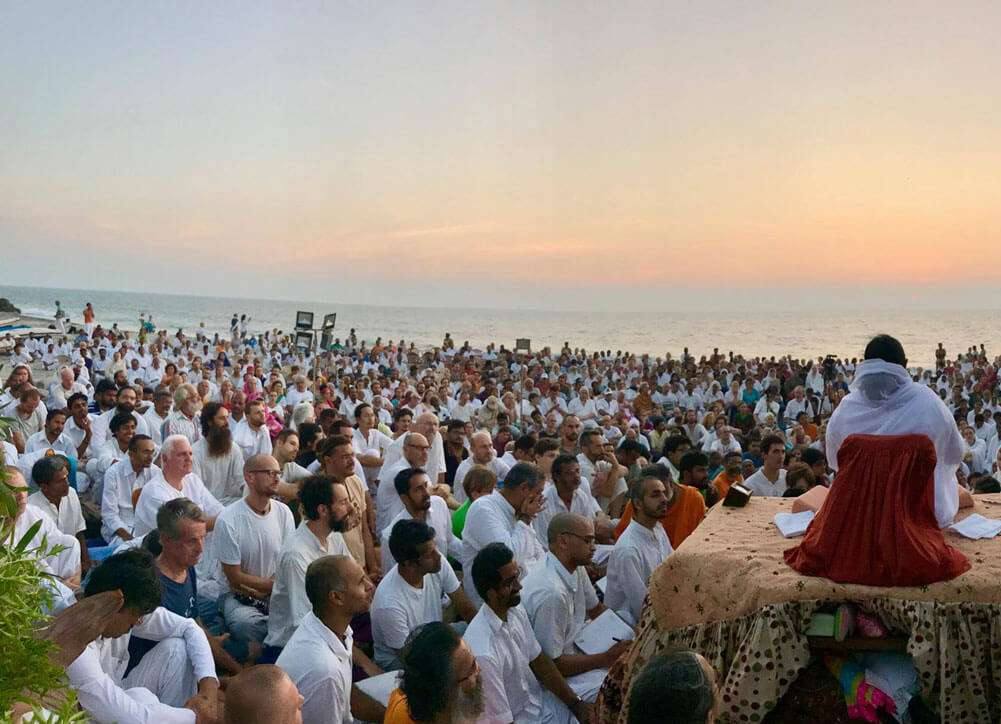
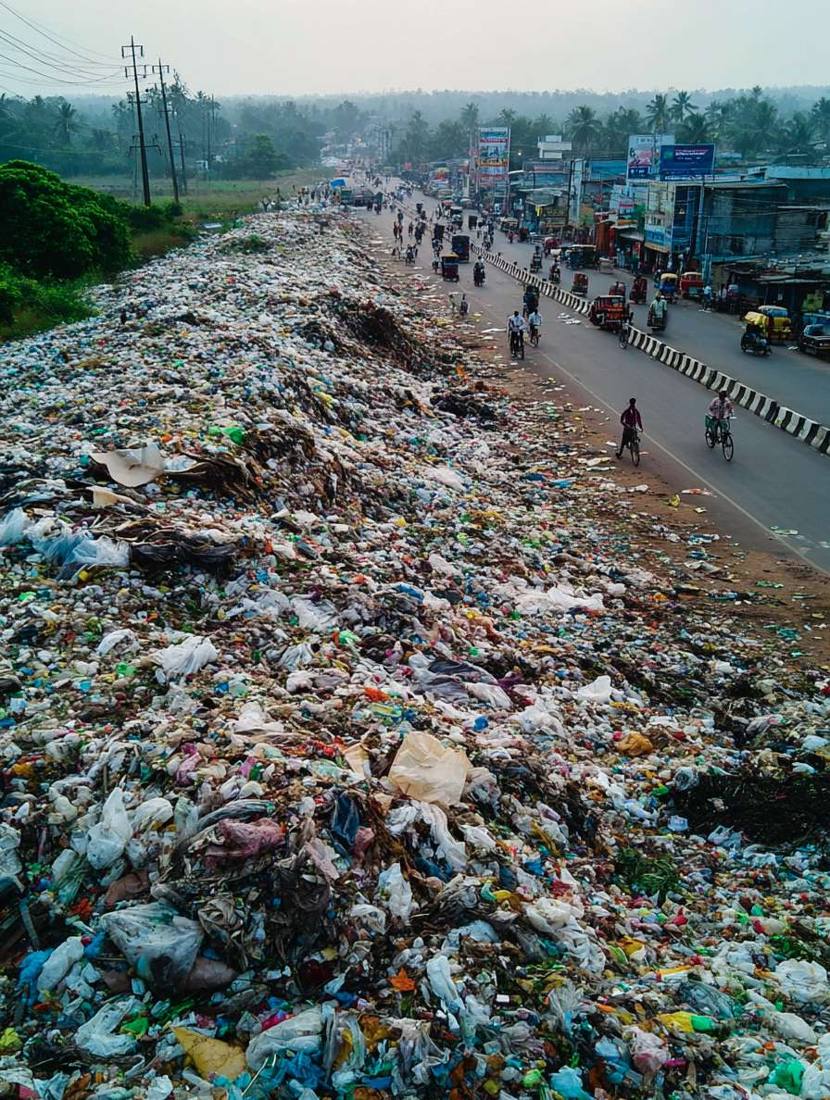
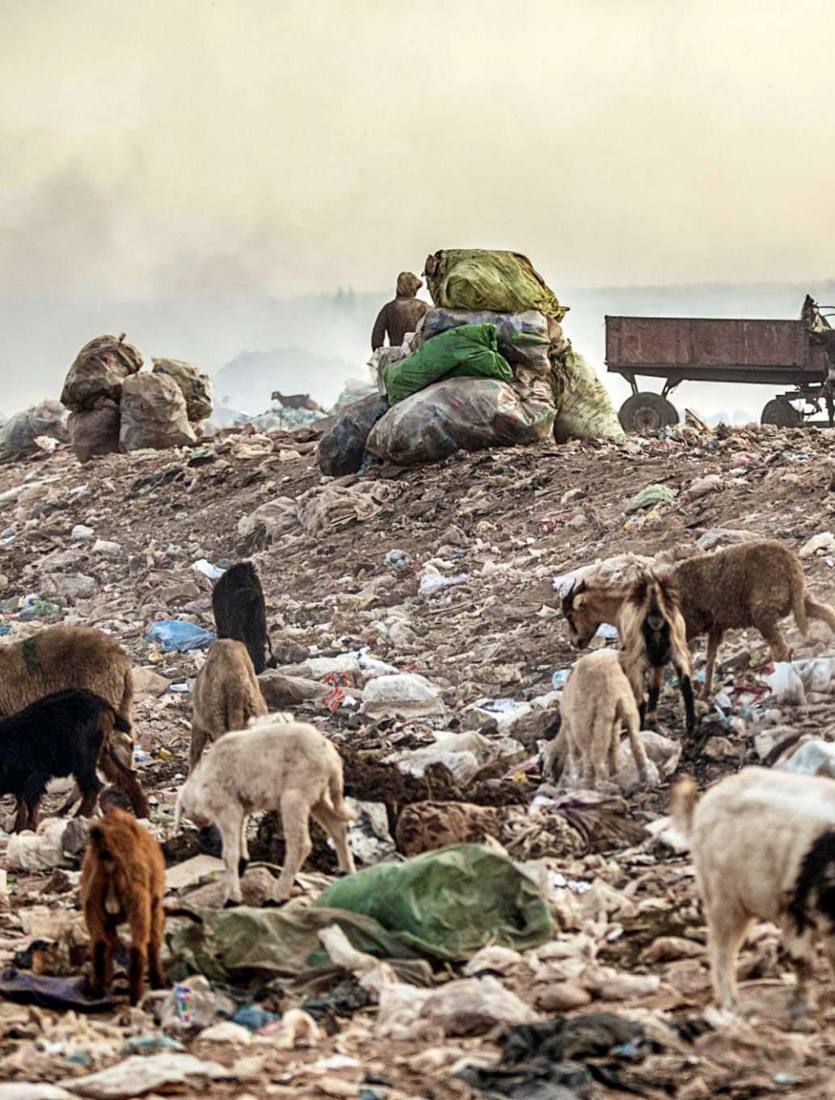
In 2010, back from her tours of Australia and Europe, Amma spoke about a newly published book that described Indians spitting and urinating by the roadside. "We may call this God's Own Country," she said, "but when it comes to hygiene, we are far behind many other nations." India had become an atomic power and a growing economy, yet its roads, toilets and public spaces told another story.
Amma traced the problem to a shift in identity, from "we and ours" to "I and mine". Homes were kept clean, but waste was dumped just beyond the doorstep. Two days later, Swami Amritaswarupananda Puri met with ashram residents and the name Amala Bharatam was chosen.
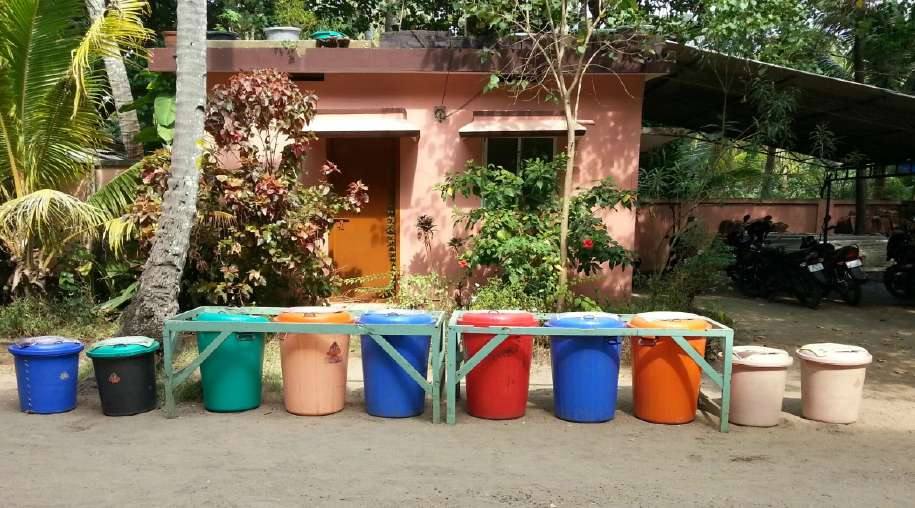
Who was there: Br. Saranamrita Chaitanya, one of the brahmacharinis in Amma's room that day, describes these words as "the spark of Amala Bharatam". From the start Amma framed cleanliness as seva, and asked each person to take a simple vow: clean and maintain your own premises. The Math offered to build toilets and place bins in government schools and along public roads wherever governments cooperated.
How it is run: decentralised action by volunteers, with central guidance and examples set at the Amritapuri headquarters.
It is said that India is growing... India is an atomic power... However, in matters of environmental cleanliness and hygiene, we are lagging by centuries. In terms of cleanliness, we still are in diapers.
Amma, the words that started it (Ch. 1)
Timeline
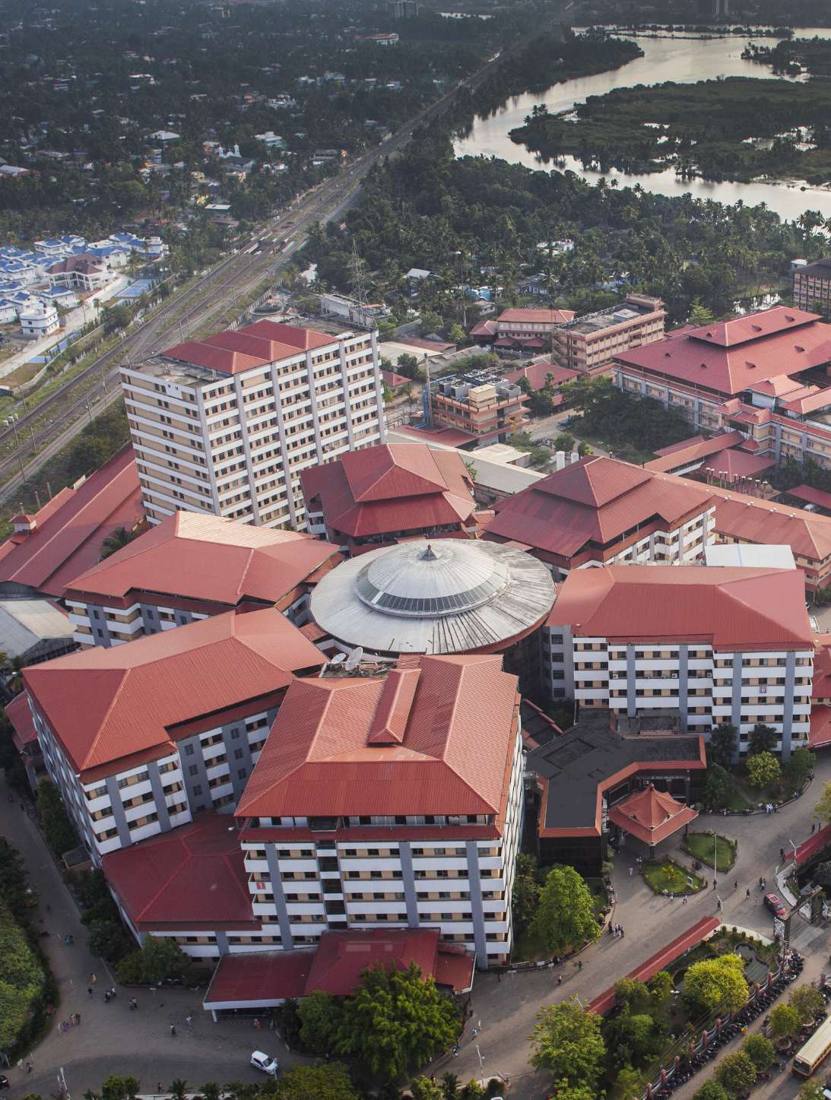
- 2008Amma begins a cleanliness drive at the Mata Amritanandamayi Math, Amritapuri.
- 27 September 2010Amala Bharatam Campaign formally launched on Amma's 57th birthday.
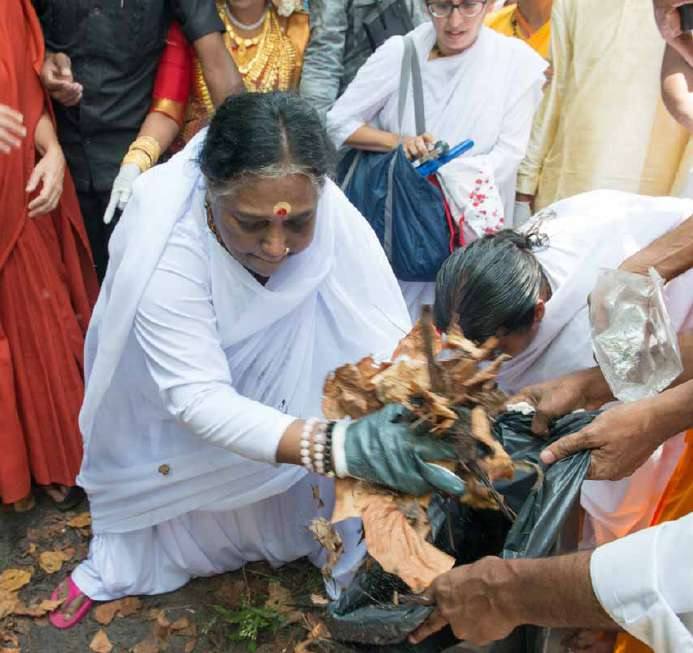
- 2011Amma inaugurates ABC in cities on her India tour, from Coimbatore and Bengaluru to Mumbai, Jaipur and Delhi, and asks everyone to clean near their homes every fourth Sunday.
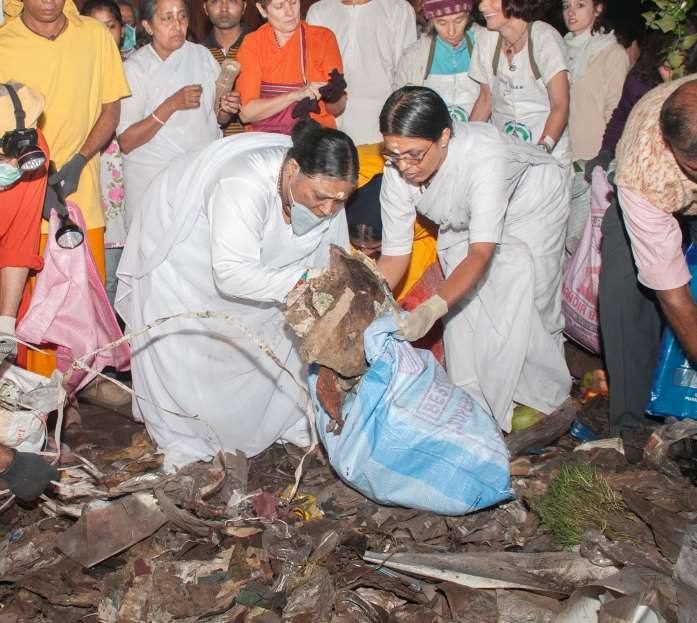
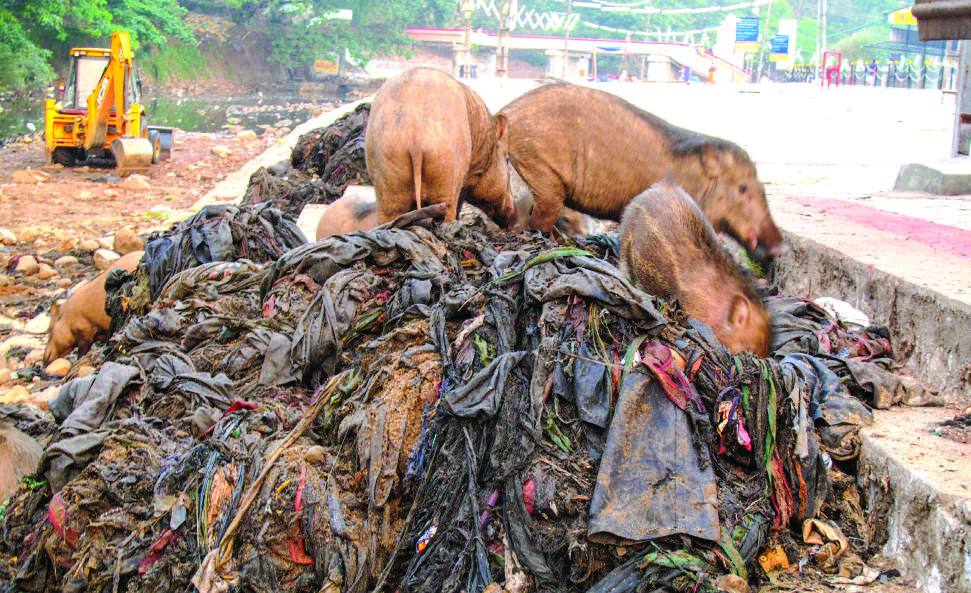
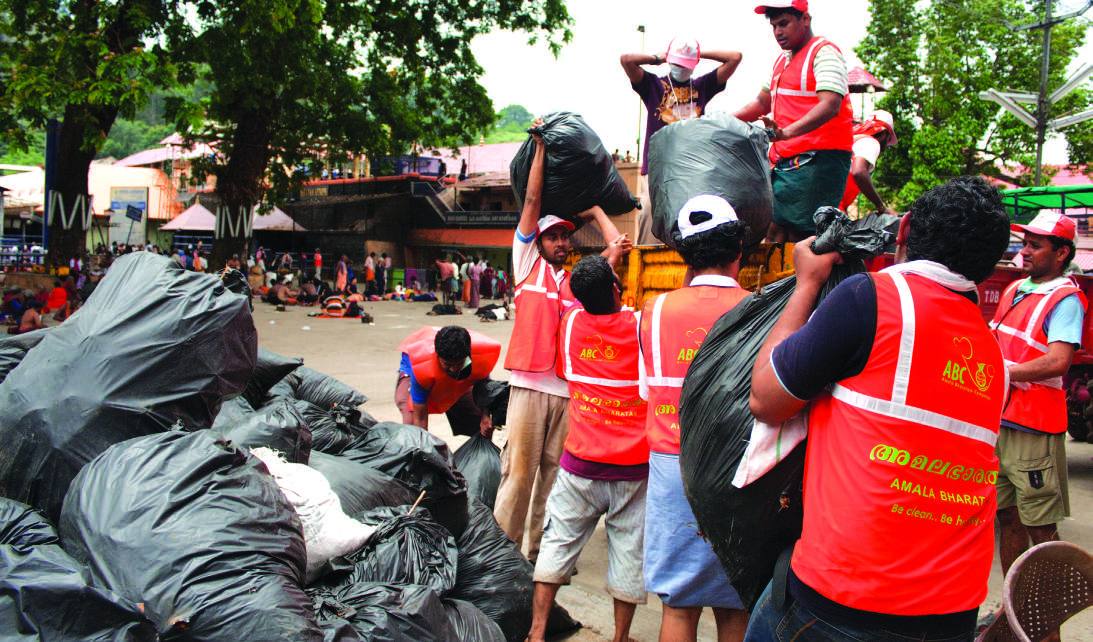
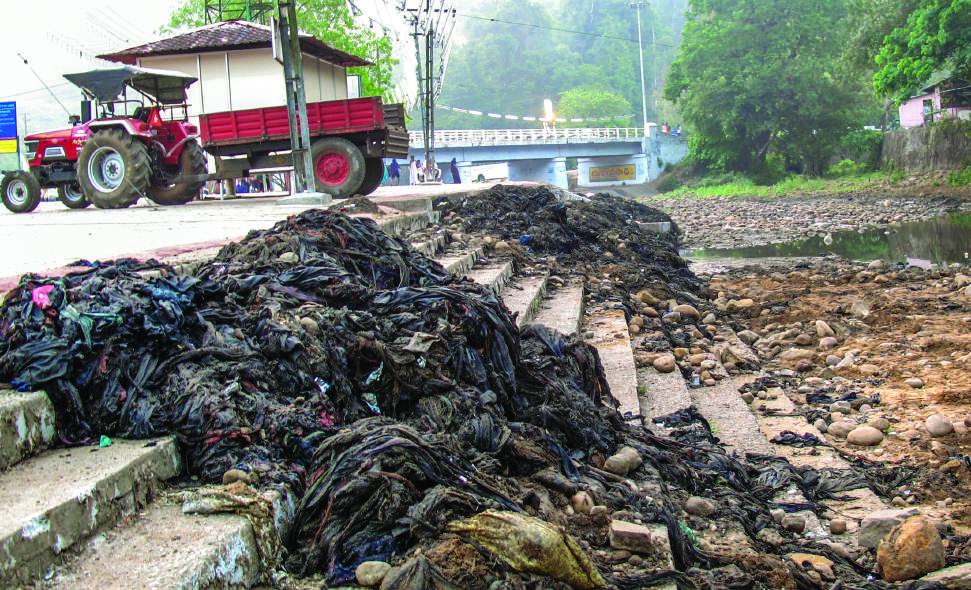
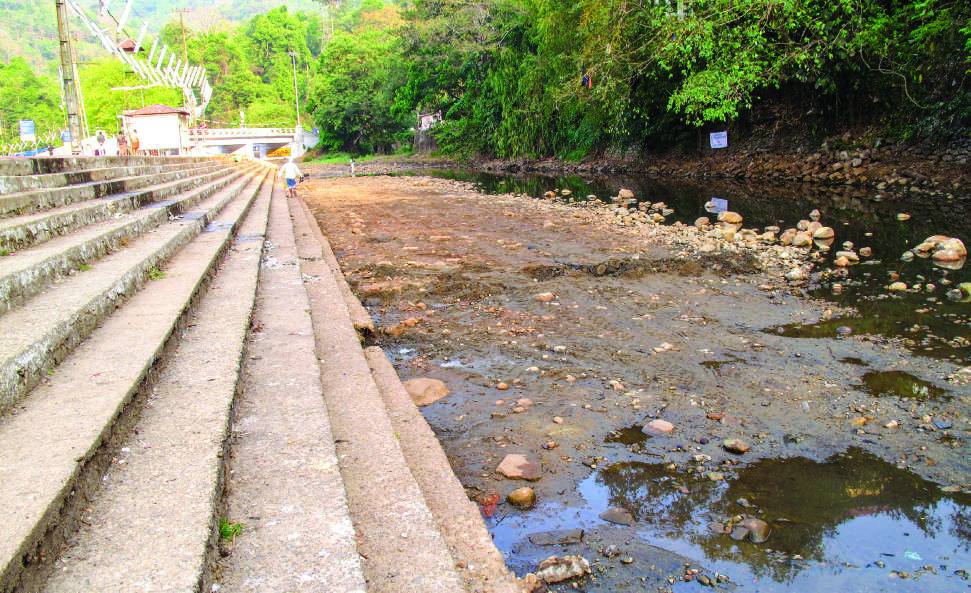
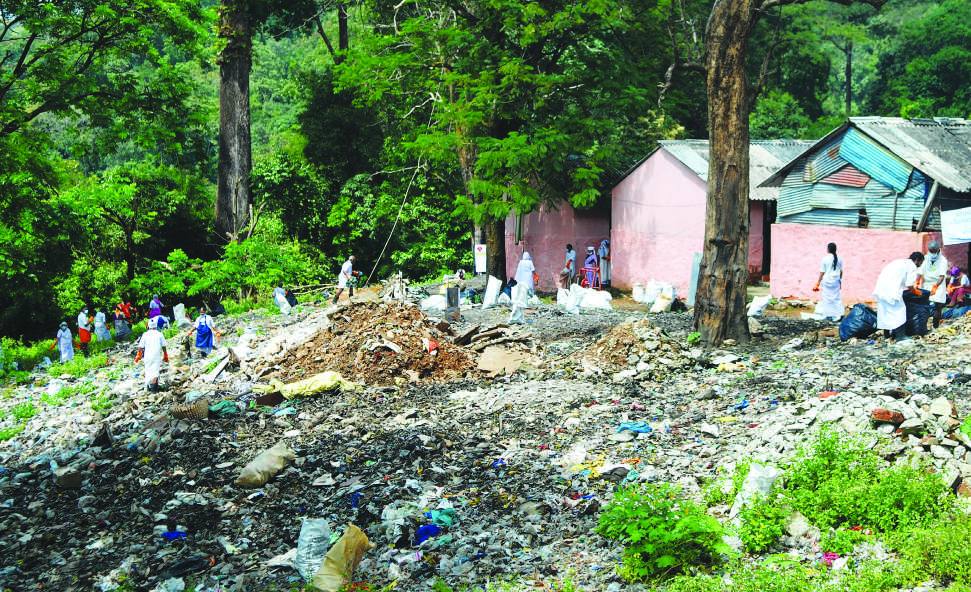
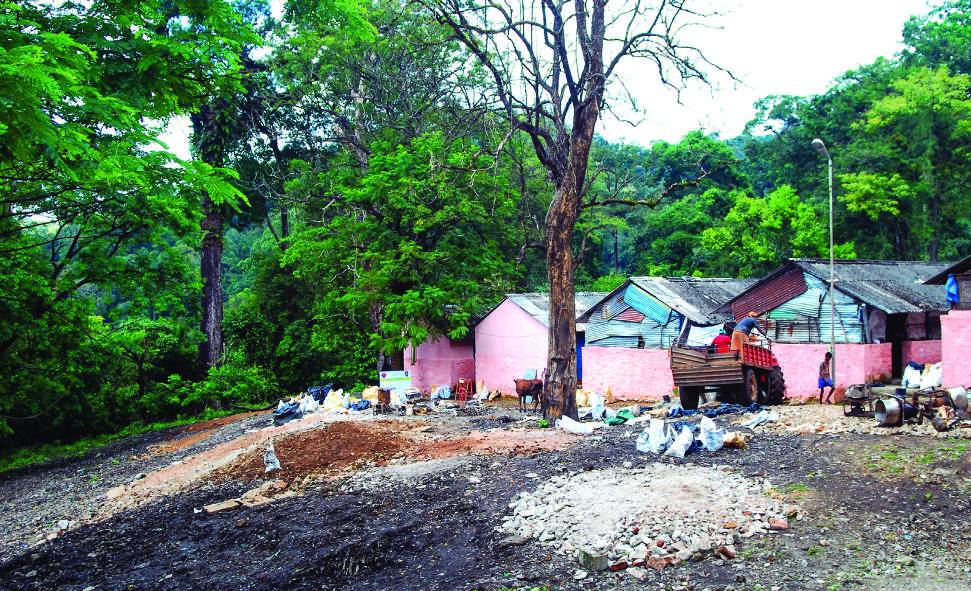
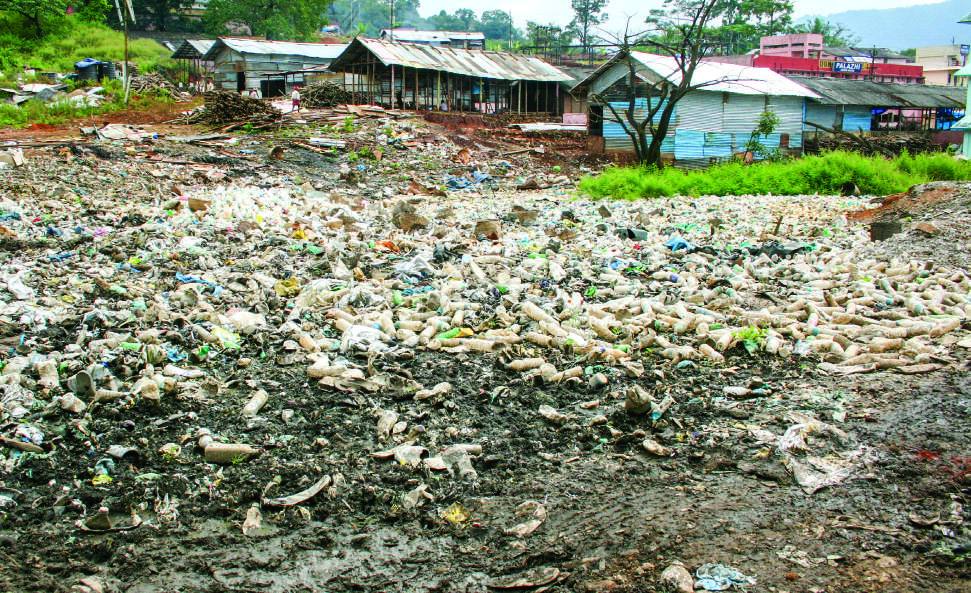
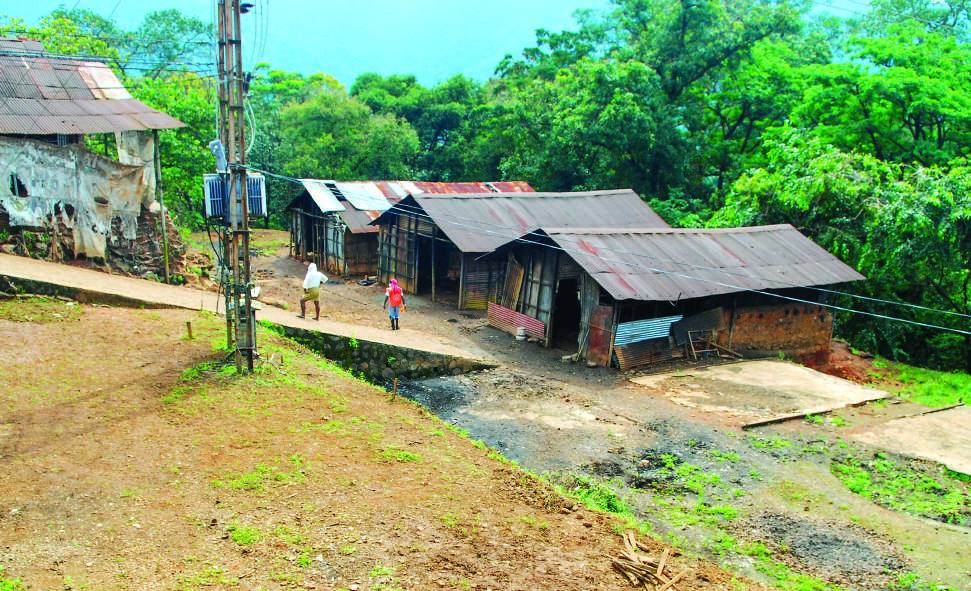
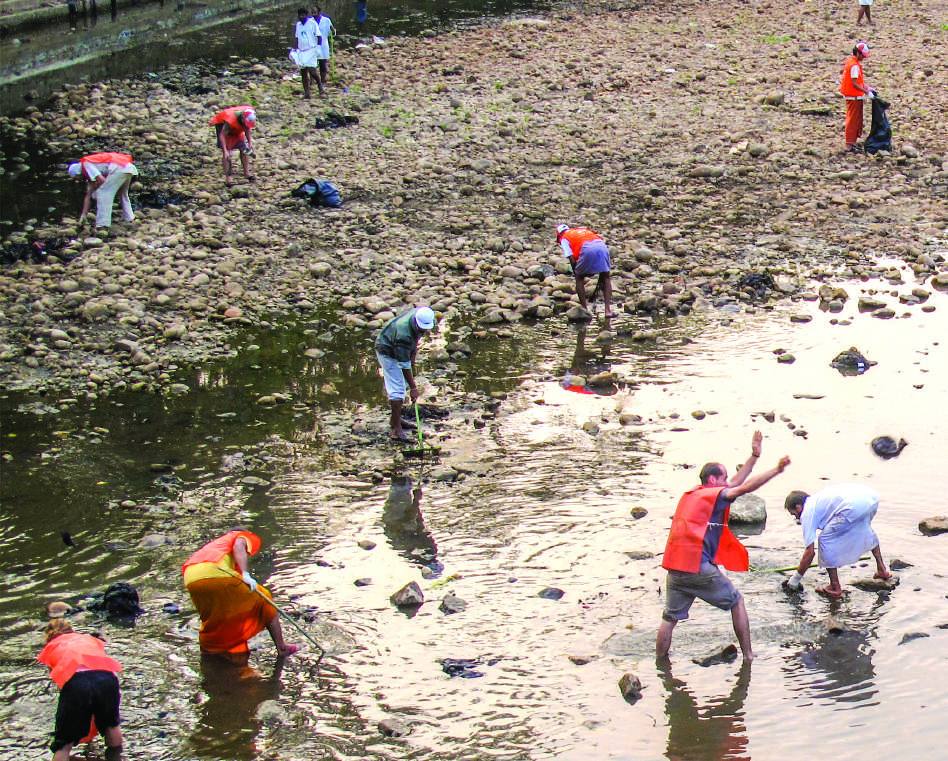
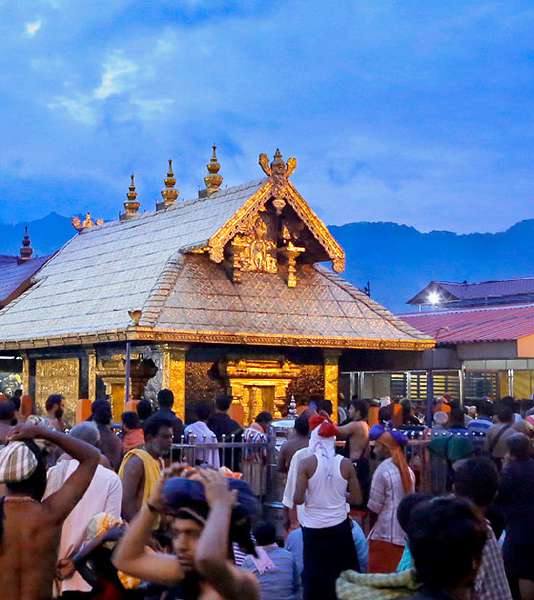
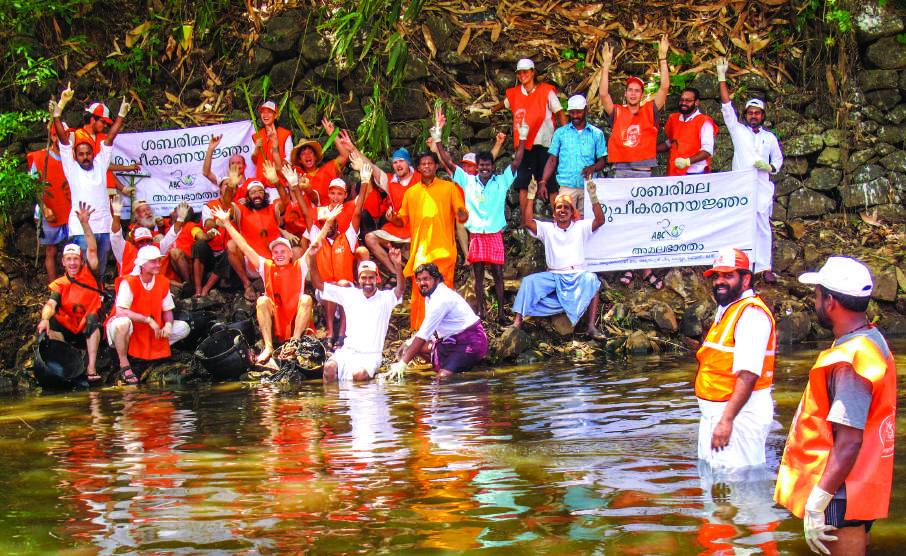
- November 2011The Sabarimala and Pampa River clean-up.
- 2018Amma joins the Prime Minister by video for the 4th anniversary of Swachhata Hi Seva; volunteers clean a 6 km coastal stretch near Amritapuri.
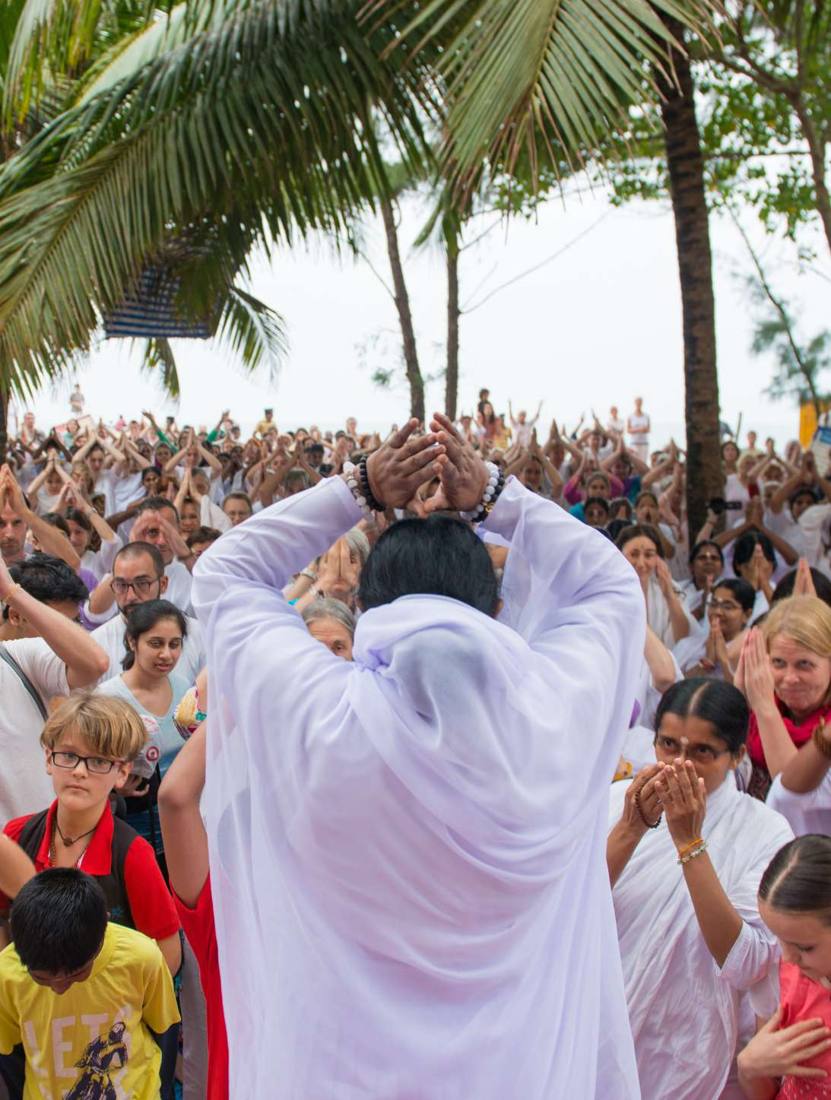
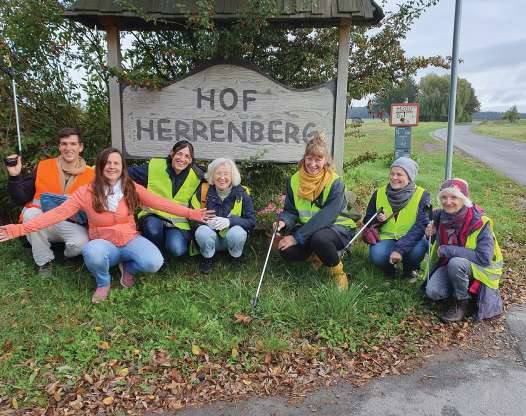
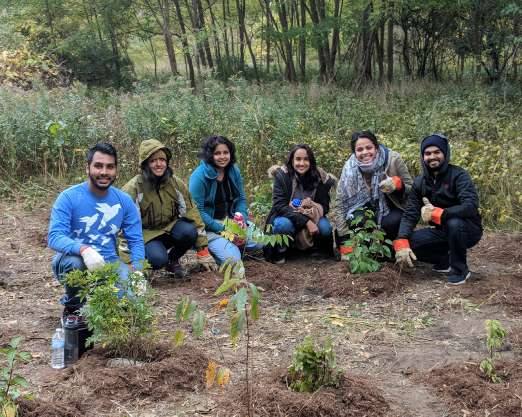
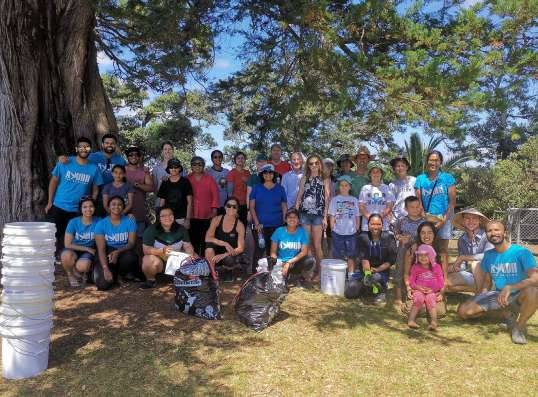
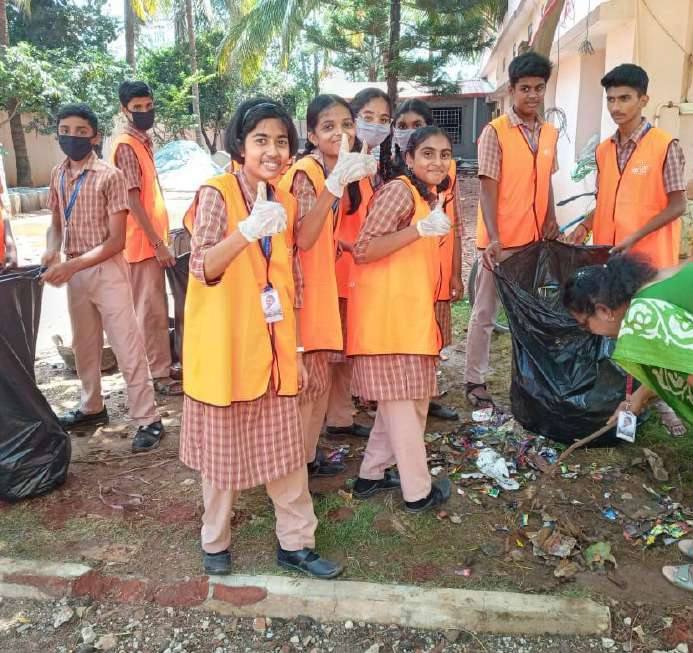
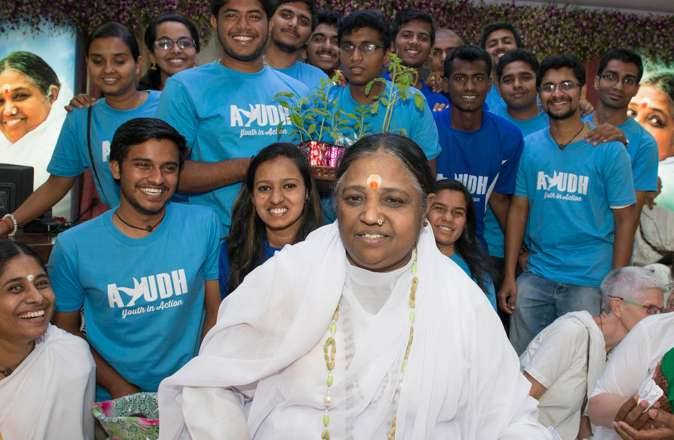
- TodayA global movement across India and dozens of countries, led by volunteers, students and the youth wing AYUDH.
Three core objectives
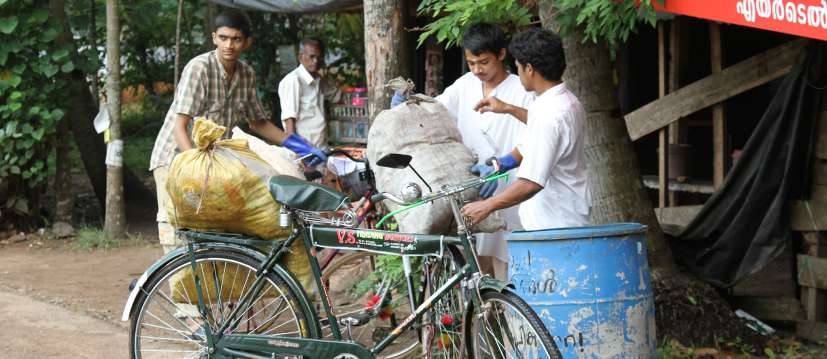
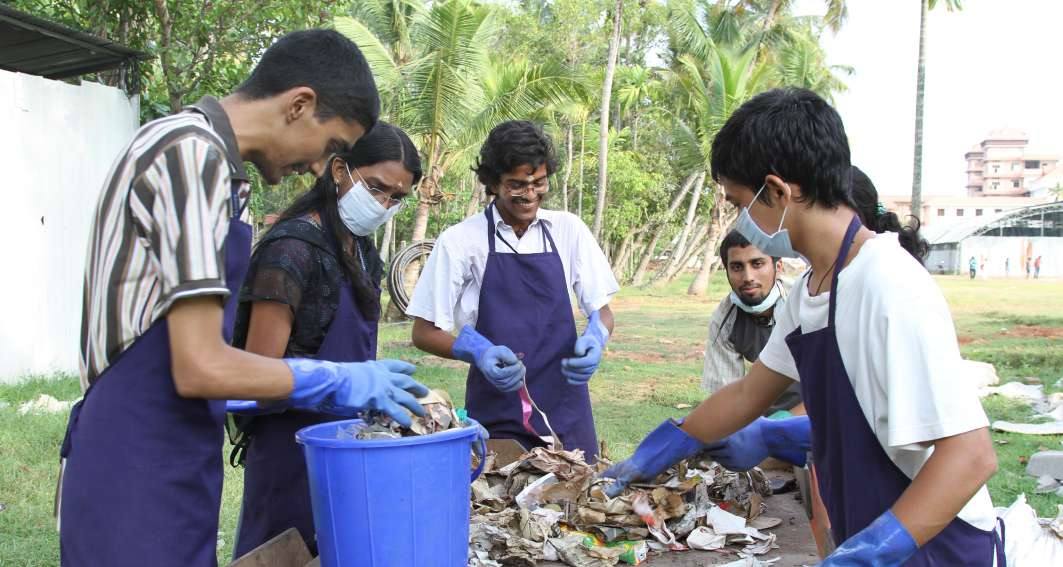
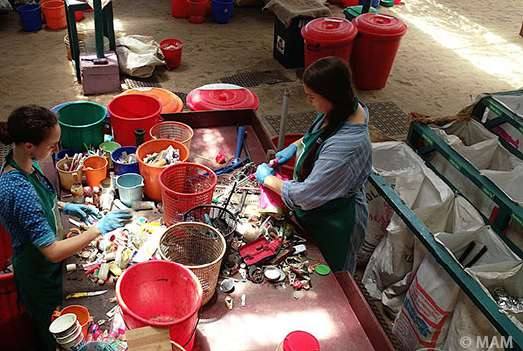
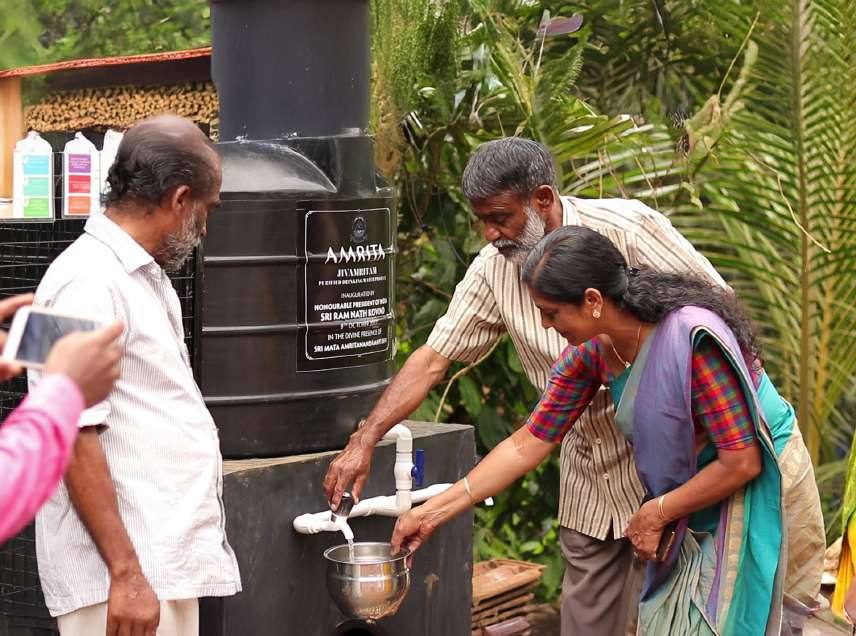
- Practical action for cleanliness, hygiene, waste segregation and proper disposal.
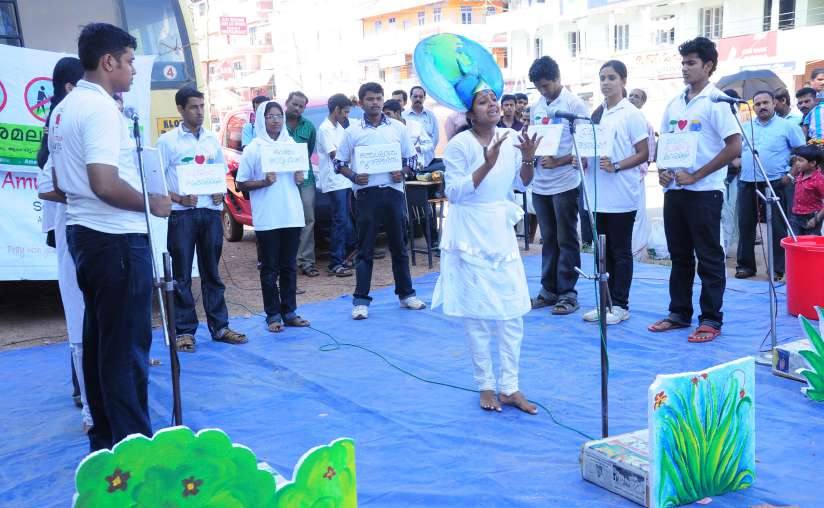
- Awareness of why environmental cleanliness matters.
- Community-scale waste models that can restore degraded ecosystems.